

Theme of IBFZutphen 2026
Snelmenu Programma
In the Footsteps of Constantijn Huygens
From 1 to 5 July 2026, the fifth edition of the International Baroque Festival Zutphen will take place, organized by Stichting Sparrowtree in collaboration with artistic director Johannette Zomer.
This will be a very special edition: the foundation celebrates its 10th anniversary, and the festival is dedicated entirely to the life and legacy of Constantijn Huygens (1596–1687).
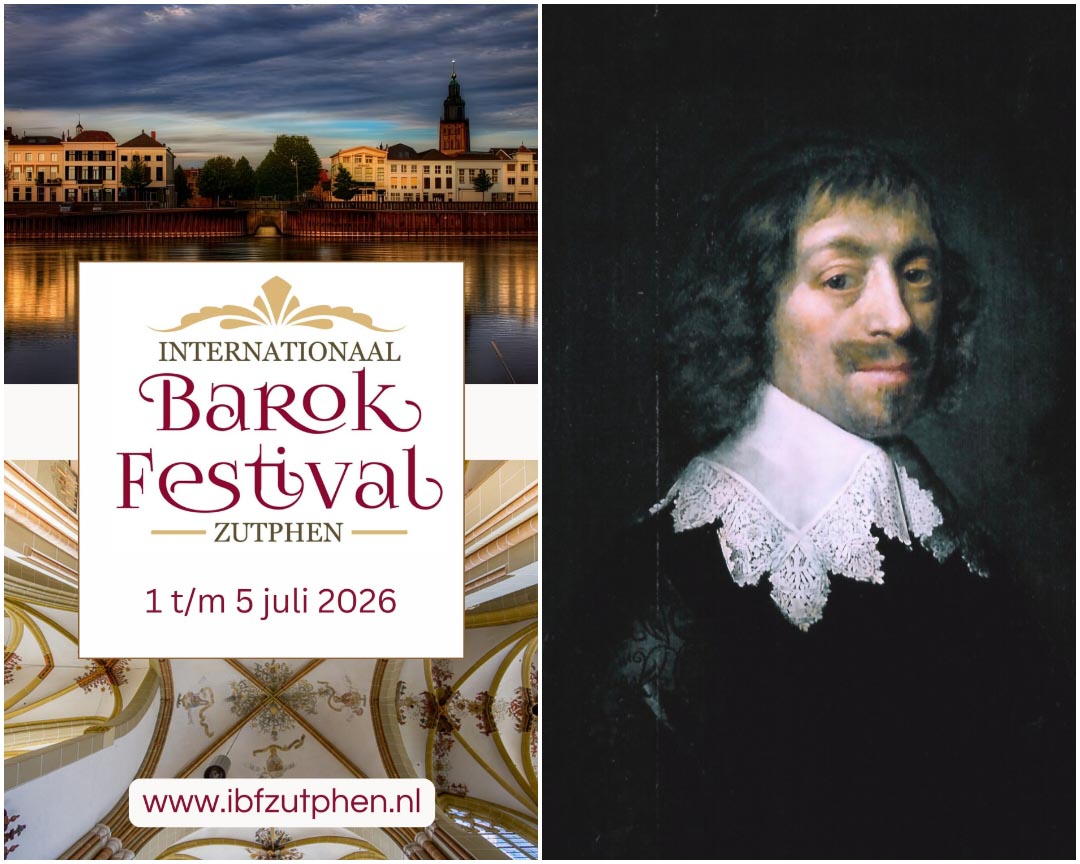
Huygens—poet, diplomat, musician, and connoisseur of the arts—was one of the most versatile figures of the Dutch Golden Age. His many European journeys, from England and France to Italy, brought him into contact with a wealth of art and music. His letters and writings reveal time and again his sense of wonder and enthusiasm, as well as his remarkable ability to understand and connect different styles. He thus embodies the ideal of the homo universalis: a man who united politics and art and viewed Europe as a shared culture in which languages, styles, and traditions strengthened one another. In this way, he was a true bridge-builder. In the same spirit, the foundation aims—through the International Baroque Festival—to build bridges: between different musical styles, between music of the past and the present (in which early and contemporary music complement one another), between amateurs and professionals, and between performers and audiences.
The International Baroque Festival Zutphen (IBF Zutphen) is a multi-day music event that can be experienced both actively (through education and talent development) and passively (as a concert visitor). The festival offers a rich program of masterclasses, workshops, lectures, and concerts by internationally renowned musicians specializing in historical performance practice, at a variety of—often monumental—locations in the historic city center of Zutphen.
IBF Zutphen offers professional musicians, conservatory students, and advanced amateurs the opportunity to take part in masterclasses with international masters who have extensive experience and expertise in their respective disciplines. Participants also have the opportunity to perform together with their teachers. In addition to technique and interpretation, special attention is given to mental coaching and stage presentation.
Musical Pillars 2026
The 2026 festival program is built around three musical pillars:
- The Time of Huygens – featuring music he heard, admired, and practiced himself.
- The Context Before and After Huygens – the late Renaissance from which his world emerged, and the Baroque that flourished after him.
- The Enduring Legacy in Bach – as in every edition, Johann Sebastian Bach takes a central place, this time in both familiar and surprising interpretations.
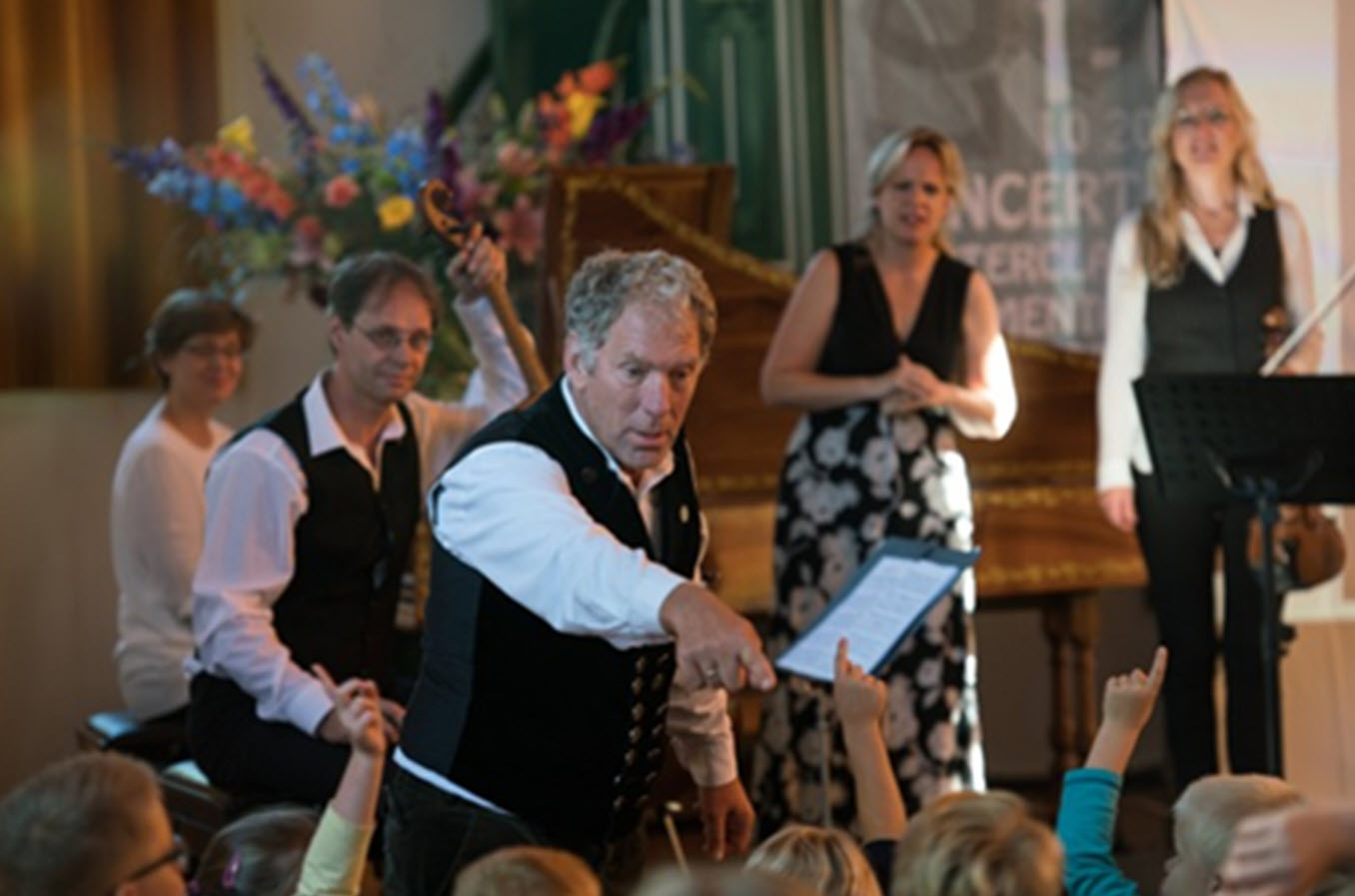
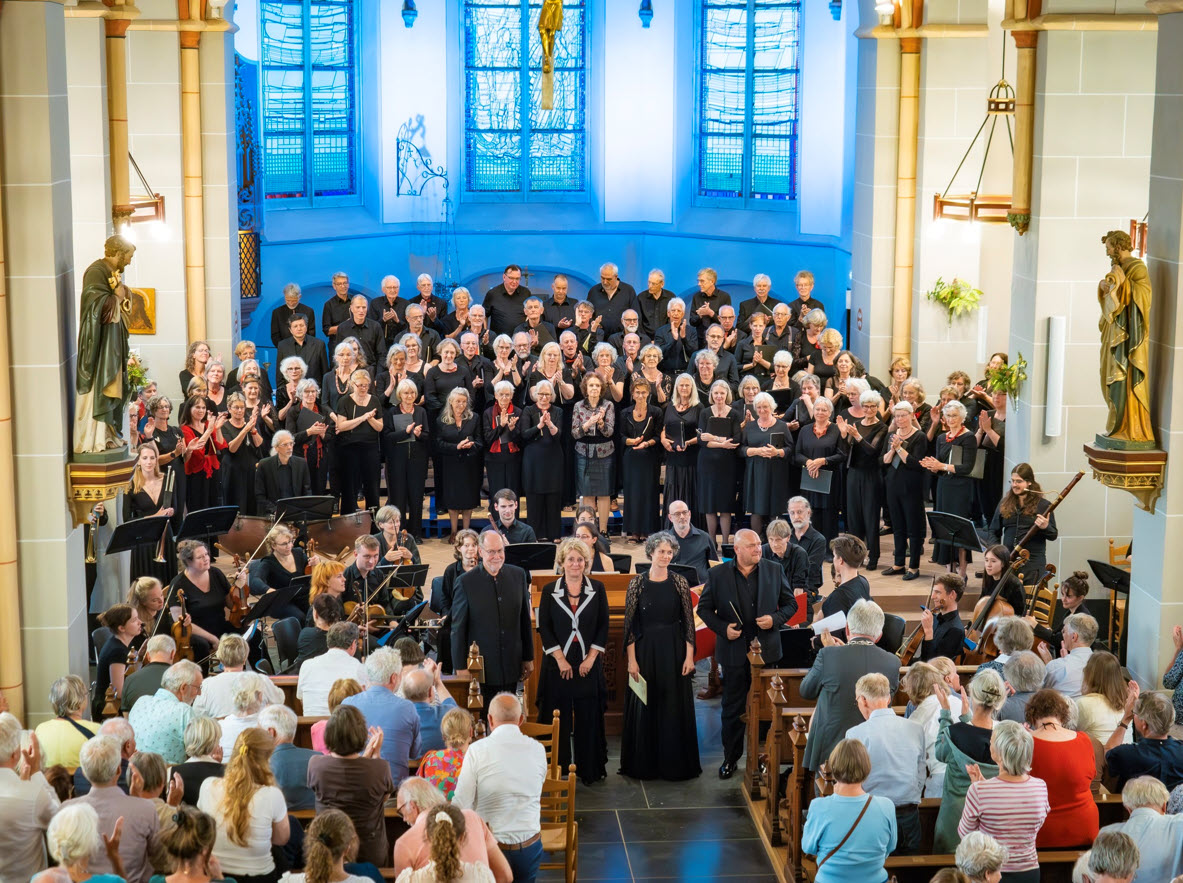
These pillars come to life in 26 performances, ranging from intimate concerts for around forty listeners to grand-scale performances in major Zutphen churches such as the Walburgis Church and St. John’s Church.
The youngest generation also plays a role: primary school children from Zutphen are actively involved in the opening concert with a children’s choir, in a special children’s performance on the final day, and through an educational program introducing them to Huygens’ life and travels.
Zutphen as Festival Setting
The festival takes place in the historic Hanseatic city of Zutphen, located on the river IJssel. The city has a settlement history of more than 1700 years and experienced its own Golden Age in the 14th century thanks to the Baltic trade of the Hanseatic League.
Even today, medieval churches, city walls, and defense towers are still visible in the historic center. This monumental environment forms a unique backdrop for the festival and, according to participants and visitors, greatly enhances the experience of music and culture.

Zutphen — for a moment, the Baroque Capital of the East
For five days, Zutphen is entirely devoted to historical performance practice. The festival combines concerts, masterclasses, and workshops at eighteen locations in the city center, creating a vibrant cross-pollination between professionals, conservatory students, advanced amateurs, and a wide audience.
With 24 international masters, approximately 60 young professionals and conservatory students, and around 40 advanced amateurs wishing to further develop their skills in historical performance practice, IBF Zutphen is unique in the Netherlands. The program includes at least four high-quality concerts per day, alongside numerous small-scale presentations.
Focus on Talent Development
The core of the festival consists of masterclasses and workshops for young professionals and students, with a focus on historical performance practice—both vocal and instrumental. These masterclasses and workshops are accessible to the general public with the purchase of a masterclass day pass. The results of these intensive sessions are presented in public performances and concerts, allowing the audience to witness firsthand the growth and development of the musicians.
The Concerts
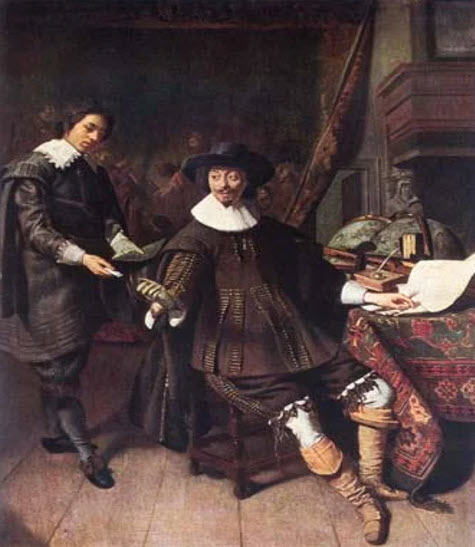
During his travels, Huygens encountered three major musical traditions: the court culture and consort music of England; the refined court style of Paris, where music, poetry, and rhetoric came together; and the virtuosic instrumental music, early opera, and innovative sounds of Italy, including the magnificent Venetian polychoral style of Monteverdi.
These influences are reflected throughout the festival: from English sacred music by Byrd and French dance music by Lully to Monteverdi’s impressive Vespro della Beata Vergine. Works by contemporaries and fellow citizens such as Sweelinck will also be heard, alongside pieces from Huygens’ own collection Pathodia sacra et profana (1647), in which Italian expressiveness and French elegance converge.
The Context Before and After Huygens
Huygens grew up in a thrilling transitional period between the Renaissance and the Baroque. To illustrate the origins of this new Baroque style—the restrained monody as a response to rich polyphony—we will present examples of late Renaissance music, such as works by Gabrieli from Italy, as well as even earlier German Turmmusik.
We will also explore how the Baroque of Huygens’ time continued to develop, for example in the Gloria by the Venetian composer Vivaldi in the opening concert. In addition, parallels will be drawn with the present day through works such as La Tombeau pour Sweelinck by Klaas de Vries (2012) and Ave verum corpus by John Michael Trotta (2024), inspired by the famous work of the same name by William Byrd.
The Enduring Legacy in Bach
As with every edition, Bach once again holds a central place in the festival, in both familiar and surprising interpretations. By tradition, the festival will conclude with a Bach cantata—this time the magnificent BWV 147. In addition, vocal works by Bach will be performed in a highly intimate setting, accompanied only by two portable reed organs. The folk trio Lumen approaches Bach from a bluegrass perspective.
There will also be two theatrical Bach programs: in his family performance Be Bach, Ton Meijer explores what it is like to be Bach, and audiences will also be treated to a playful, vegetarian version of Bach’s Hunting Cantata.
A Broad Palette of Concerts
All of this results in a wide-ranging concert program, from intimate participant presentations to large-scale performances by the Masters and guest ensembles. Well-known groups such as Camerata Trajectina, Lumen Folk Trio, Hanse Pfeyfferey, the Brothers De Jong, and Kofferbak Collectief have been invited to perform.
The weekend is dedicated to the presentation concerts of the workshops, which can be followed as a musical walking route through the city under the title “From Quay to Bolwerck.” In this way, the audience can enjoy both the music and the historic surroundings of Zutphen. On Sunday, the festival concludes with a grand walking concert from St. John’s Church to the Walburgis Church, with the route framed by the sound of the Zutphen carillon.
Locations and Visibility
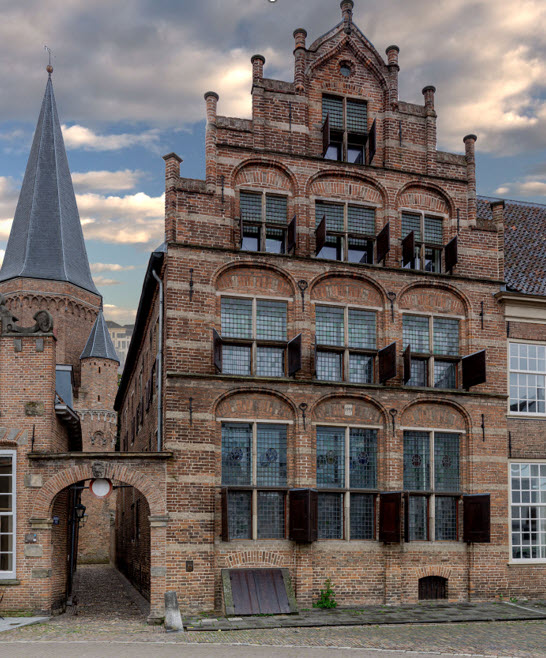
The beating heart of the festival is Dat Bolwerck, located on the Zaadmarkt. This is where the festival office and box office are situated, and where masterclasses, workshops, Tai Chi sessions, and concerts take place.
The festival also collaborates with many historic venues throughout the city, including the Walburgis Church, St. John’s Church, the White Wing, the Chapel at ’t Rijsselt, the Oude Bornhof, and the Lutheran Church. This wide distribution makes the festival visible throughout the city and highlights Zutphen’s unique historic setting.
Staying in Enchanting Zutphen
Visitors to the International Baroque Festival discover far more than music alone. Zutphen welcomes you with its rich history, intimate streets, and lively atmosphere. As a former Hanseatic city, it breathes trade, culture, and craftsmanship—visible in every façade, courtyard, and square.
After a day of inspiring masterclasses and concerts, you can stroll straight onto a vibrant terrace. The city offers a remarkably diverse range of restaurants, cafés, and wine bars, from refined dining to relaxed drinks along the river IJssel. As evening falls, the historic center glows with warm light and time seems to stand still.
There is also plenty of choice for overnight accommodation: from atmospheric boutique hotels and historic town houses to comfortable B&Bs and affordable guesthouses—all within walking distance of the festival venues, allowing you to fully immerse yourself in music, encounters, and relaxation.

The beautiful Hanseatic architecture, imposing churches, hidden courtyards, and the river make Zutphen a city that never ceases to surprise. A stay during IBF Zutphen feels like a small journey through time, where music, culture, hospitality, and beauty effortlessly come together.
For personal advice, up-to-date availability, and tailored tips, you can contact the VVV Zutphen (Tourist Information). They will be happy to assist you in finding suitable accommodation, enjoyable dining options, and additional activities in the city and surrounding area.
📍 VVV Zutphen – Houtmarkt 75 -7201KL Zutphen
🌐 www.inzutphen.nl ✉️ info@inzutphen.nl ☎️ +31 (0)575 – 844538
Tip: Book your stay early—early July is a popular period in Zutphen!
Zutphen is not just the setting of the festival – it is an essential part of the experience.
Ticket sales start in February 2026